HomeBlog › Ingredient Science

Ingredient Science

How to Read a Supplement Label Properly

The single most useful supplement skill takes two minutes once you know what to look at.

Written by the Horsewood Editorial Desk Checked against the current bottle label Updated 6 August 2026 Cited: NIH ODS, NCCIH, FDA, FTC

On this page

  1. Extract versus raw powder
  2. Standardisation is a separate thing
  3. Proprietary blends
  4. Servings per container
  5. The four checks

Extract versus raw powder

An extract is what remains after raw herb is processed to concentrate its actives and discard inert plant matter. A smaller extract weight can represent a much larger quantity of original plant.

A ratio like 10:1 means ten grams of raw herb produced one gram of extract.

Label saysRatioRaw-herb equivalent
100 mg extract4:1400 mg
100 mg extract10:11,000 mg
500 mg raw powder1:1500 mg

Standardisation is a separate thing

Some labels state a standardised percentage — “standardised to 5% withanolides” or “95% curcuminoids”. That specifies the concentration of a marker compound, which is more informative than a ratio alone.

A label giving both a ratio and a standardisation is being more transparent than one giving neither.

Proprietary blends

A blend prints one total covering several ingredients. It is legal and occasionally defensible as formula protection. It also makes it impossible to know whether the expensive ingredient is present meaningfully.

Individually named amounts signal confidence; a single blend total is a signal to ask why.

Servings per container

The number that decides cost per day, and the one most often overlooked. A 60-capsule bottle at one capsule daily is 60 days; at two capsules it is 30. That single figure halves or doubles your real cost.

The four checks

  1. Extract or raw powder, and at what ratio?
  2. Is a standardisation percentage stated?
  3. Named individually or hidden in a blend?
  4. How many servings per container?

The FDA dietary supplement overview is the primary source on what labels must state.

Horsewood — official website pricing

Men's vitality capsules with zinc, magnesium, ashwagandha and bacopa. The Horsewood discount runs from $49 per bottle with a 60-day money-back guarantee.

See the Horsewood discount
Disclaimer: this article is general information, not medical advice. Horsewood is a dietary supplement and is not intended to diagnose, treat, cure or prevent any disease. Individual results vary. For adults aged 18 and over. Talk to your doctor before starting any supplement, particularly if you take prescription medication.

Horsewood Editorial Desk

We write from the product label outward, tag each ingredient by evidence strength, and publish the unflattering parts too. See our editorial standards.

Keep reading

Answers

Frequently asked questions

No. A large raw-powder figure can represent less active material than a smaller concentrated-extract figure.

Not automatically, but they remove your ability to verify individual doses.

This website may earn a commission on purchases made through links to the official Horsewood store, at no additional cost to you. Our editorial standards and affiliate disclosure are published in full on this site.

No. Horsewood is a dietary supplement and is not intended to diagnose, treat, cure or prevent any disease, including erectile dysfunction or low testosterone.
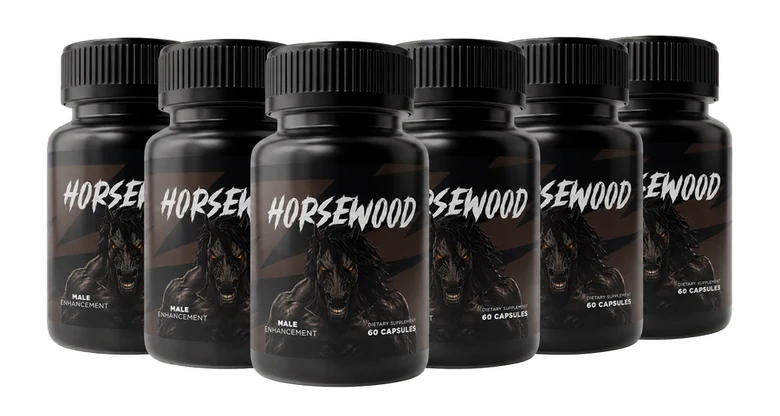
Horsewood six-bottle package at the official website sale price
Regular price: $99 per bottle
Today from $49 per bottle
Claim the Horsewood discount

Backed by the 60-day money-back guarantee. Secure checkout on the Horsewood official website.

Get the Horsewood Discount — From $49 60-day money-back guarantee • Official website only