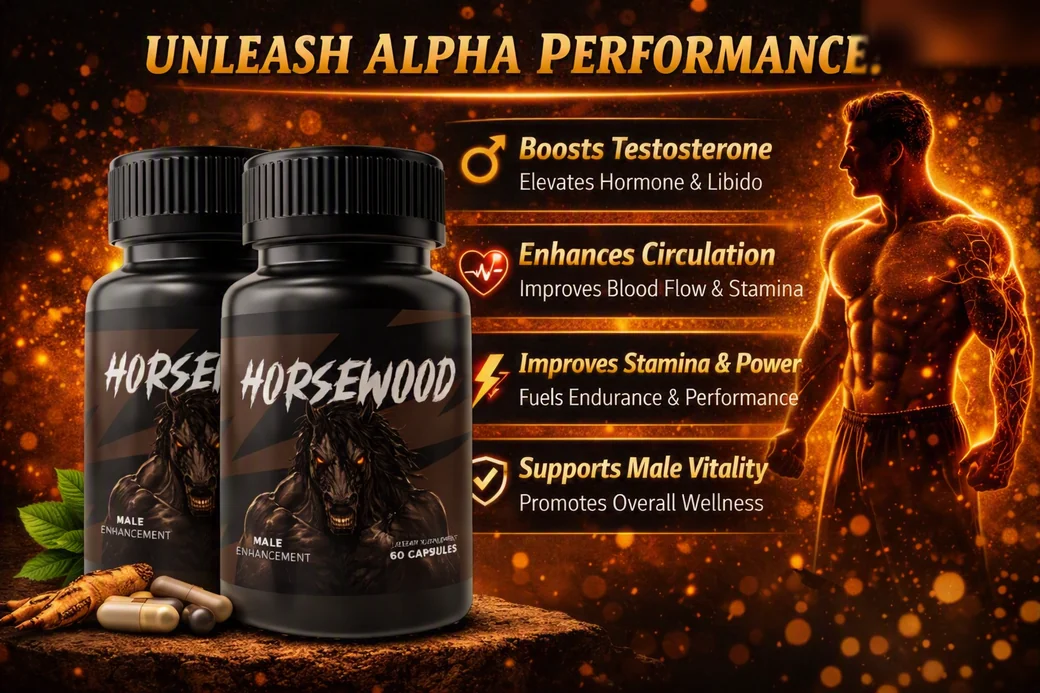
Most men's supplements are one hero ingredient surrounded by filler. Horsewood takes the opposite approach: thirteen ingredients across four related jobs. That breadth is a strength and a weakness at once, and this page treats it as both.
1. Two minerals with established nutritional roles
This is the most firmly grounded pathway in the formula and, unusually, the one that gets the least marketing attention.
Zinc holds an authorised role in the maintenance of normal testosterone levels in the blood, alongside normal immune and cognitive function. Magnesium contributes to normal muscle function, normal protein synthesis, electrolyte balance and the reduction of tiredness and fatigue. Both are documented rather than inferred — the NIH ODS zinc fact sheet and magnesium fact sheet are the neutral references.
One honest caveat: nutrient repletion shows its clearest effects in people whose intake was inadequate to begin with. If your diet already supplies plenty of both, the ceiling here is modest.
2. Adaptogens for the everyday stress load
Ashwagandha and Rhodiola Rosea occupy this pathway. Chronic stress load is one of the largest practical drains on energy, sleep quality, focus and drive in working-age men — and unlike age or genetics, it is an input a well-studied adaptogen can plausibly influence.
Ashwagandha has the strongest trial record of any botanical in this bottle, examined in randomised controlled trials for stress response and perceived sleep quality; the NCCIH publishes a neutral summary. Rhodiola's literature is smaller and focused on mental fatigue.
3. Focus, memory and circulation
Bacopa Monnieri is the workhorse here. Its bacosides have been examined in multi-week human trials for memory retention and rate of learning, and the consistent finding is that the effect builds slowly — measured at 8 and 12 weeks, not at day three.
Ginkgo Biloba joins it on the cerebral circulation side. Ginkgo is among the most-researched botanicals in the world with results that have genuinely not converged, and it carries the most important safety caution in the formula: it may affect platelet function, so anyone on anticoagulants needs medical clearance before use.
4. Antioxidant and immune botanicals
Green tea extract, turmeric, grape seed extract, elderberry, echinacea and spirulina round the formula out. This is the broadest pathway and the least specific, and the evidence within it ranges widely — curcumin research is substantial, echinacea's trial record is famously inconsistent.
An honest page says which is which rather than presenting thirteen ingredients as equally proven. Ours does, on the ingredients page.
The breadth trade-off, stated plainly
Thirteen ingredients in one daily serving necessarily means smaller amounts of each than a single-ingredient product would carry. That is arithmetic, not opinion. Whether the blend is dosed meaningfully is exactly what the supplement facts panel on your bottle should tell you — and it is why we recommend reading it on arrival rather than trusting any sales page.
Taking it correctly
- Take the label serving with water, ideally with breakfast.
- Same time every day. Consistency beats timing with botanical formulas.
- Get medical clearance first if you take blood thinners, thyroid, blood pressure or diabetes medication.
- Pair it with training, sleep and diet. Those drive far more of the outcome than any capsule.
- Stay consistent for 8 to 12 weeks before drawing a conclusion.
Related: the full ingredient breakdown · Horsewood benefits · Horsewood explained.
Frequently asked questions
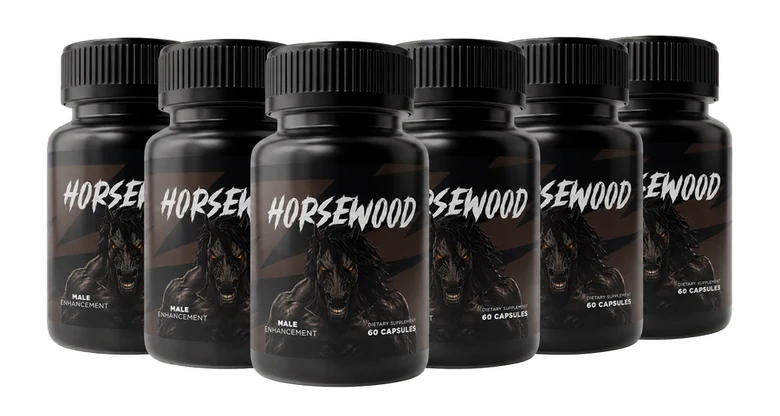
Backed by the 60-day money-back guarantee. Secure checkout on the Horsewood official website.