Below is every ingredient in the formula, what it is, and what it is genuinely studied for. Two carry authorised nutrient function claims, seven have a real if mixed research base, and four rest mainly on traditional use. This page says which is which.
Zinc
Authorised nutrient claimAn essential mineral with authorised roles in the maintenance of normal testosterone levels in the blood, normal immune function, normal cognitive function and the protection of cells from oxidative stress. Read the testosterone wording precisely: it is a claim about maintaining normal levels, which is a nutritional statement about avoiding a shortfall rather than a promise of raising your baseline. Dietary sources include oysters, red meat, poultry, beans and nuts. The NIH ODS fact sheet is the neutral reference.
Magnesium
Authorised nutrient claimInvolved in more than three hundred enzymatic reactions, with recognised roles in normal muscle function, normal protein synthesis, electrolyte balance, normal psychological function and the reduction of tiredness and fatigue. Surveys consistently find a substantial share of adults falling short of recommended intakes, which makes it one of the more defensible inclusions in any men's formula. Dietary sources include leafy greens, nuts, seeds, legumes and wholegrains.
Ashwagandha
Randomised human trialsAn adaptogenic herb central to Ayurvedic practice for more than two millennia and the most researched botanical in this bottle. Randomised controlled trials have examined it for the body's response to everyday stress, perceived sleep quality and subjective energy. Many trials are small and quality varies, so the honest summary is “more evidence than most botanicals here, and less than a pharmaceutical”. Anyone with a thyroid or autoimmune condition should raise it with their doctor first.
Rhodiola Rosea
Studied for mental fatigueAn Arctic adaptogen used traditionally in Scandinavia and Russia, with a modern research base centred on mental fatigue and perceived exertion during demanding work. Trials are generally small. It sits alongside Ashwagandha as the second adaptogen rather than a headline actor.
Bacopa Monnieri
Studied over 8-12 weeksAn Ayurvedic herb whose active bacosides are the most consistently studied plant compounds for memory retention and rate of learning in healthy adults. The pattern across the human literature is cumulative: results are measured at 8 and 12 weeks of daily use, not in the first fortnight. This single ingredient is a large part of why this product is sold in multi-month packages.
Ginkgo Biloba
Widely studied, mixed resultsDerived from one of the oldest surviving tree species, Ginkgo is among the most-studied botanicals in the world, examined chiefly around cerebral circulation and cognitive measures across decades. Results have genuinely not converged. It also carries the most important safety caution in this formula: Ginkgo may affect platelet function, so anyone taking warfarin, clopidogrel, aspirin or another anticoagulant needs medical clearance before use.
Green Tea Extract
Polyphenol antioxidantA catechin-rich extract standardised for EGCG in most commercial preparations, studied for antioxidant activity and metabolic markers. It carries naturally occurring caffeine, which is why calling any formula containing it “stimulant free” is imprecise. High-dose concentrated green tea extract has been associated with rare liver injury, which is a reason to stay at label servings rather than stacking multiple green-tea products.
Turmeric
Curcumin researchIts curcuminoids are among the most heavily researched plant compounds of the past two decades, chiefly around inflammatory markers. The perennial limitation is bioavailability — unformulated curcumin is poorly absorbed — which is why results vary so widely between preparations. Whether this formula uses an enhanced-absorption form is not stated on the sales pages.
Grape Seed Extract
Proanthocyanidin antioxidantRich in oligomeric proanthocyanidins, studied for antioxidant activity and vascular measures including blood pressure in some small trials. It sits on the circulation-support side of the blend alongside Ginkgo.
Maca Root
Traditional useA cruciferous root cultivated above 4,000 metres in the Peruvian Andes and eaten there for centuries to support energy and endurance under hard conditions. Modern interest centres on its macamides and glucosinolates; the research base is early-stage. It is here for the stamina side of the formula, on traditional grounds.
Elderberry
Traditional immune useA dark berry with a long folk-medicine record and a small modern literature around upper-respiratory symptom duration. Anthocyanin-rich, and included here on the immune side of the blend.
Echinacea
Inconsistent trial recordOne of the best-known traditional immune botanicals and one of the most inconsistent in trials — results across the literature range from modest benefit to none. Included on traditional grounds, and this page will not pretend otherwise.
Spirulina
Nutrient-dense algaeA blue-green algae used as a nutrient-dense food, supplying protein, B vitamins, iron and pigments with antioxidant properties. It is a nutritional inclusion rather than a mechanistic one, and sourcing quality matters because poorly harvested algae can carry contaminants.
The dosage question
Here is the honest limitation, and it is the single most common complaint about products in this category: individual ingredient amounts are not published on the sales pages. Thirteen ingredients in one daily serving necessarily means smaller amounts of each than a single-ingredient product carries.
Two habits worth adopting when your bottle arrives:
- Read the supplement facts panel and check whether amounts are listed individually or grouped behind one proprietary-blend total. Individually named amounts are the baseline for a label worth trusting.
- Locate zinc and magnesium precisely. They are the two ingredients here with real nutritional roles, so they are the ones worth checking against the daily reference intake on the panel.
Our label-reading guide covers extract ratios, standardisation percentages and proprietary blends in detail. Always read the current bottle label before use — the label in your hand overrides any website, including this one.
What is not in it
- No caffeine anhydrous or added stimulants beyond the trace in green tea extract
- No prescription drug analogues — a genuine concern in this category, where the FDA repeatedly finds male-enhancement products spiked with undeclared sildenafil or tadalafil
- No forced-subscription trial packaging
Next: how these ingredients work together · what they support · ingredient guides on the blog.
Frequently asked questions
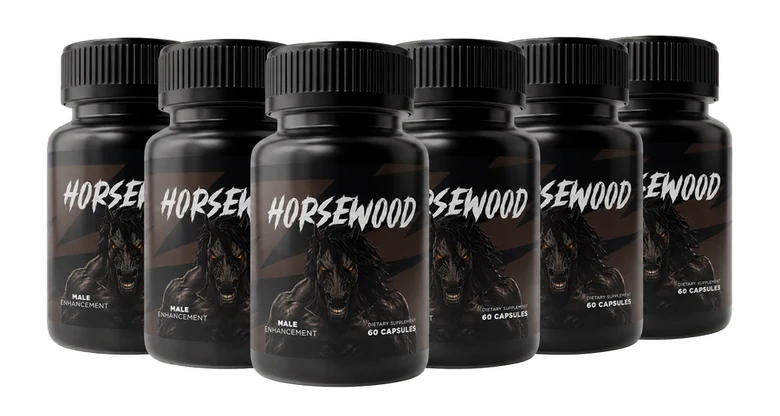
Backed by the 60-day money-back guarantee. Secure checkout on the Horsewood official website.