HomeBlog › Training & Living

Training & Living

Protein Intake for Men: How Much and When

Protein is the one nutritional variable with an uncontested effect on training outcomes. Most men get the total wrong and the timing more wrong.

Written by the Horsewood Editorial Desk Checked against the current bottle label Updated 6 August 2026 Cited: NIH ODS, NCCIH, FDA, FTC

On this page

  1. How much
  2. Why distribution matters
  3. Practical sources
  4. Where a supplement genuinely helps
  5. Common mistakes

How much

General population guidelines sit around 0.8 g per kilogram of body weight daily, which is a minimum to avoid deficiency rather than an optimum for someone training.

Research in resistance-trained adults commonly supports intakes in the region of 1.6 g per kilogram, with diminishing returns above roughly 2.2. For an 85 kg man that is around 135 g daily.

Why distribution matters

Muscle protein synthesis responds to a per-meal dose rather than a daily total. Eating 120 g with 90 of it at dinner is less effective than spreading it across three or four meals.

Practically: 30 to 40 g per meal, three or four times daily. Breakfast is where most men fall shortest.

Practical sources

FoodApprox. protein
Chicken breast, 150 g~45 g
Greek yoghurt, 200 g~20 g
Three large eggs~19 g
Tin of tuna~25 g
Cooked lentils, 200 g~18 g

Where a supplement genuinely helps

Whey or plant protein powder is convenience, not magic — it solves the breakfast and post-work gaps where cooking is impractical.

It is also the one supplement category with an uncontested evidence base for training outcomes, which is worth remembering when comparing it against a botanical blend.

Common mistakes

  • Treating a protein bar as a protein source when it carries 8 g
  • Front-loading everything into dinner
  • Ignoring breakfast entirely
  • Assuming more protein compensates for insufficient total calories

Horsewood — official website pricing

Men's vitality capsules with zinc, magnesium, ashwagandha and bacopa. The Horsewood discount runs from $49 per bottle with a 60-day money-back guarantee.

See the Horsewood discount
Disclaimer: this article is general information, not medical advice. Horsewood is a dietary supplement and is not intended to diagnose, treat, cure or prevent any disease. Individual results vary. For adults aged 18 and over. Talk to your doctor before starting any supplement, particularly if you take prescription medication.

Horsewood Editorial Desk

We write from the product label outward, tag each ingredient by evidence strength, and publish the unflattering parts too. See our editorial standards.

Keep reading

Answers

Frequently asked questions

Around 1.6 g per kilogram of body weight daily is commonly supported for people training, with diminishing returns above roughly 2.2.

Not necessarily. It solves convenience gaps; whole food covers the requirement if you plan meals around it.

This website may earn a commission on purchases made through links to the official Horsewood store, at no additional cost to you. Our editorial standards and affiliate disclosure are published in full on this site.

No. Horsewood is a dietary supplement and is not intended to diagnose, treat, cure or prevent any disease, including erectile dysfunction or low testosterone.
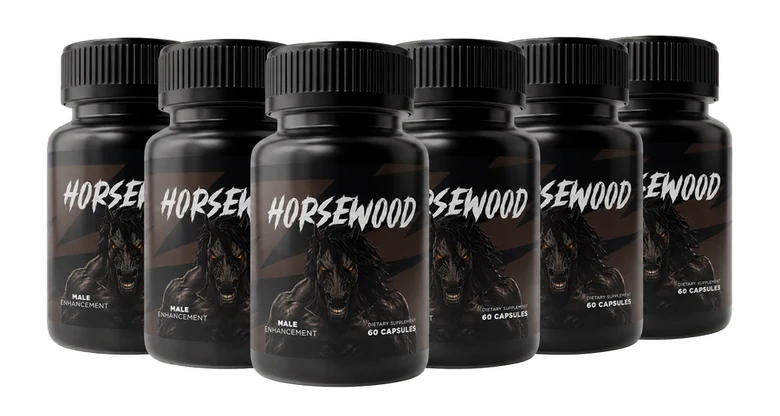
Horsewood six-bottle package at the official website sale price
Regular price: $99 per bottle
Today from $49 per bottle
Claim the Horsewood discount

Backed by the 60-day money-back guarantee. Secure checkout on the Horsewood official website.

Get the Horsewood Discount — From $49 60-day money-back guarantee • Official website only