On this page
- The distinction that matters
- Markers worth watching
- What actually drives recovery
- Where supplements sit
- The practical rule
The distinction that matters
Functional overreaching is short-term fatigue from a hard block, followed by improved performance after a lighter week. That is training working.
Non-functional overreaching is the same fatigue without the rebound, dragging on for weeks. That is training failing, and it usually reflects recovery inputs rather than session design.
Markers worth watching
- Resting heart rate on waking, trending upward over a week
- Sleep quality declining despite adequate time in bed
- Loss of appetite or motivation to train
- Performance falling on lifts you can measure
- Irritability and shorter temper
What actually drives recovery
- Sleep. The single largest input, by a wide margin.
- Total calories. Under-eating during hard training is a common and self-defeating combination.
- Protein distribution. Across meals, not concentrated at dinner.
- Deload weeks. Planned lighter weeks every four to eight weeks.
- Stress load outside the gym, which draws on the same recovery capacity.
Where supplements sit
Behind all five. Magnesium's role in normal muscle function and fatigue reduction is genuine, and it is marginal against sleeping seven hours and eating enough.
The practical rule
If performance is falling for more than two weeks despite training consistently, the answer is a lighter week and more sleep rather than a new supplement.
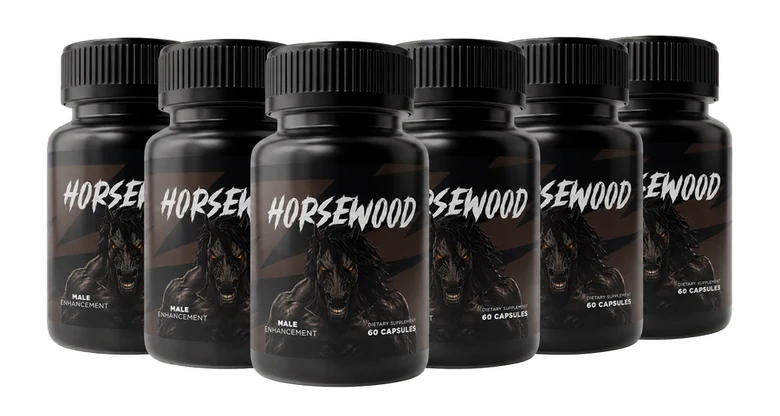
Horsewood — official website pricing
Men's vitality capsules with zinc, magnesium, ashwagandha and bacopa. The Horsewood discount runs from $49 per bottle with a 60-day money-back guarantee.
See the Horsewood discountDisclaimer: this article is general information, not medical advice. Horsewood is a dietary supplement and is not intended to diagnose, treat, cure or prevent any disease. Individual results vary. For adults aged 18 and over. Talk to your doctor before starting any supplement, particularly if you take prescription medication.
Horsewood Editorial Desk
We write from the product label outward, tag each ingredient by evidence strength, and publish the unflattering parts too. See our editorial standards.
Keep reading
Found this useful? The rest of the series is on the Horsewood blog.